Name*
First
Last
Company Name*
Phone Number*
FAX Number
Email*
Address
Comments/Questions
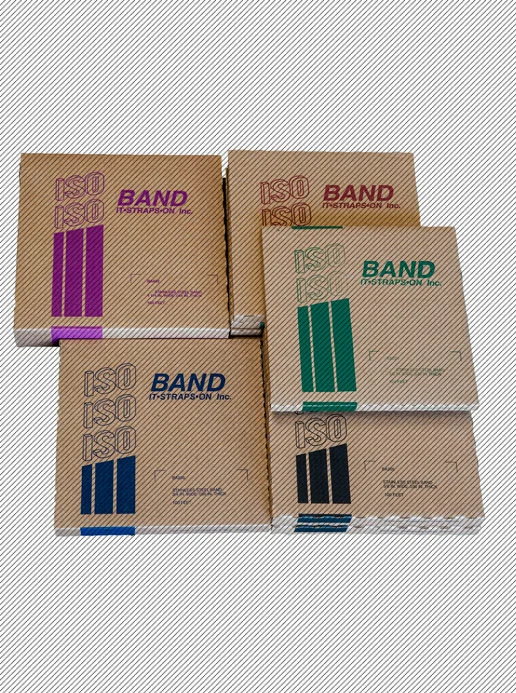
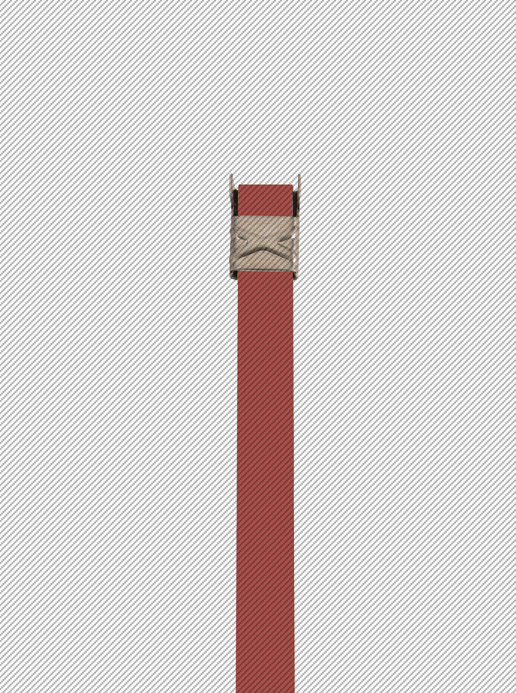
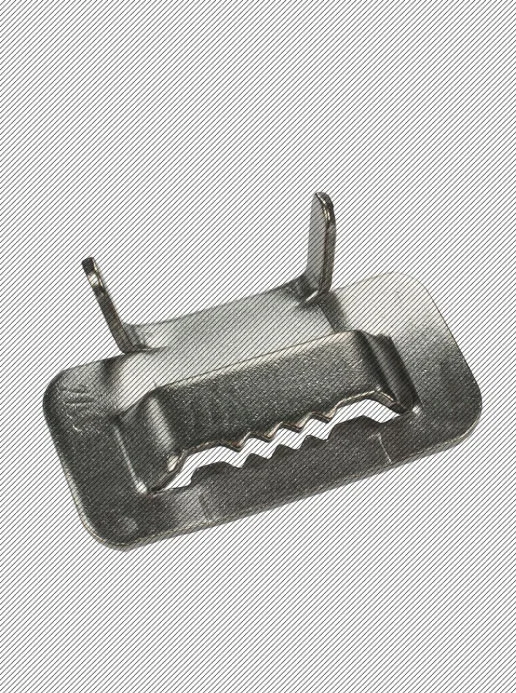
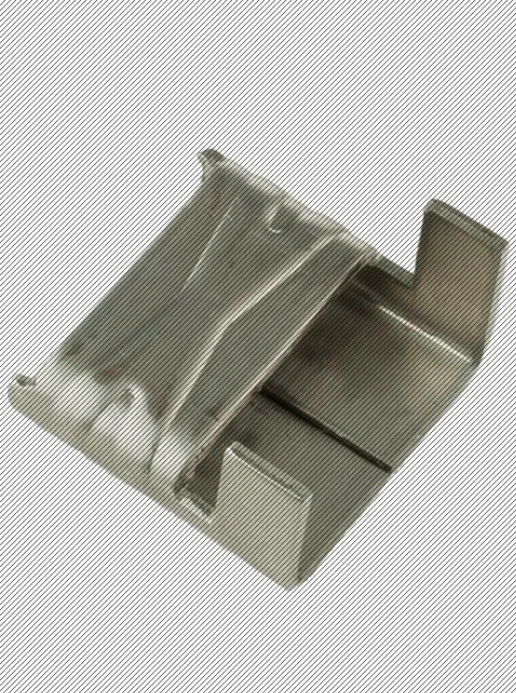
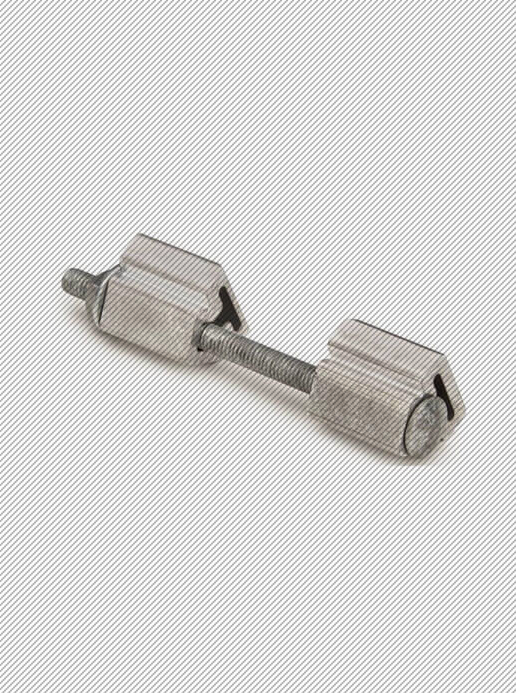
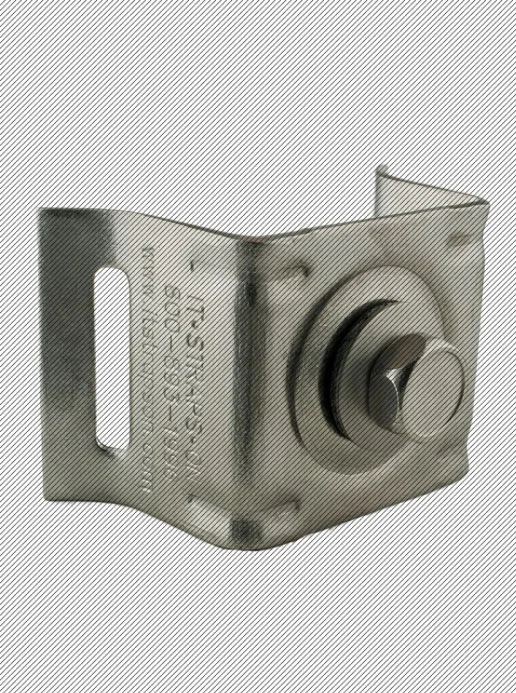
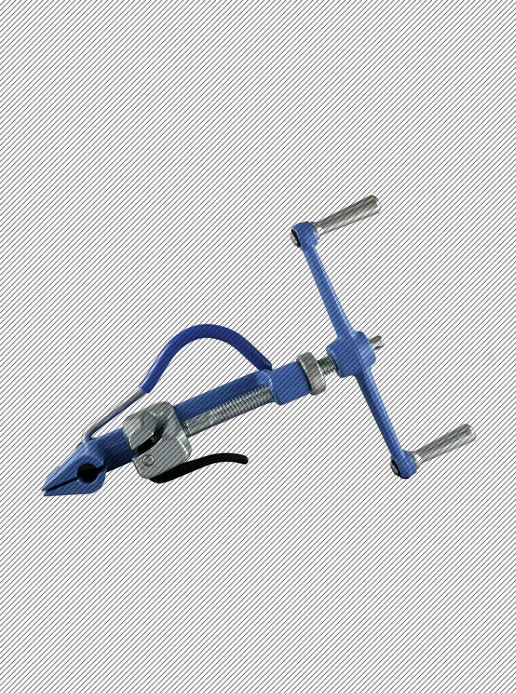
Products Select Product 201 Stainless Steel Color Fast™ Band. 1/2” x .025 x 18”, 20”, 24”, 27” and 30” Lengths Available With Wing Seal – #CTL 1/2” Black 201 Stainless Steel Color Fast™ Band. 1/2” x .025 x 18”, 20”, 24”, 27” and 30” Lengths Available With Wing Seal – #CTL 1/2” Brown 201 Stainless Steel Color Fast™ Band. 1/2” x .025 x 18”, 20”, 24”, 27” and 30” Lengths Available With Wing Seal – #CTL 1/2” Dark Blue 201 Stainless Steel Color Fast™ Band. 1/2” x .025 x 18”, 20”, 24”, 27” and 30” Lengths Available With Wing Seal – #CTL 1/2” Gold 201 Stainless Steel Color Fast™ Band. 1/2” x .025 x 18”, 20”, 24”, 27” and 30” Lengths Available With Wing Seal – #CTL 1/2” Gray 201 Stainless Steel Color Fast™ Band. 1/2” x .025 x 18”, 20”, 24”, 27” and 30” Lengths Available With Wing Seal – #CTL 1/2” Green 201 Stainless Steel Color Fast™ Band. 1/2” x .025 x 18”, 20”, 24”, 27” and 30” Lengths Available With Wing Seal – #CTL 1/2” Light Blue 201 Stainless Steel Color Fast™ Band. 1/2” x .025 x 18”, 20”, 24”, 27” and 30” Lengths Available With Wing Seal – #CTL 1/2” Orange 201 Stainless Steel Color Fast™ Band. 1/2” x .025 x 18”, 20”, 24”, 27” and 30” Lengths Available With Wing Seal – #CTL 1/2” Pink 201 Stainless Steel Color Fast™ Band. 1/2” x .025 x 18”, 20”, 24”, 27” and 30” Lengths Available With Wing Seal – #CTL 1/2” Purple 201 Stainless Steel Color Fast™ Band. 1/2” x .025 x 18”, 20”, 24”, 27” and 30” Lengths Available With Wing Seal – #CTL 1/2” Red 201 Stainless Steel Color Fast™ Band. 1/2” x .025 x 18”, 20”, 24”, 27” and 30” Lengths Available With Wing Seal – #CTL 1/2” Seafoam Green 201 Stainless Steel Color Fast™ Band. 1/2” x .025 x 18”, 20”, 24”, 27” and 30” Lengths Available With Wing Seals – #CTL 1/2” Stainless Steel 201 Stainless Steel Color Fast™ Band. 1/2” x .025 x 18”, 20”, 24”, 27” and 30” Lengths Available With Wing Seal – #CTL 1/2” Tan 201 Stainless Steel Color Fast™ Band. 1/2” x .025 x 18”, 20”, 24”, 27” and 30” Lengths Available With Wing Seal – #CTL 1/2” Turquoise 201 Stainless Steel Color Fast™ Band. 1/2” x .025 x 18”, 20”, 24”, 27” and 30” Lengths Available With Wing Seal – #CTL 1/2” White 201 Stainless Steel Color Fast™ Band. 1/2” x .025 x 18”, 20”, 24”, 27” and 30” Lengths Available With Wing Seals – #CTL 1/2” Yellow 201 Stainless Steel Color Fast™ Band. 5/8” x .025 x 18”, 24”, 27” and 30” Lengths Available With Center Punch Seals – CTL 5/8” Black 201 Stainless Steel Color Fast™ Band. 5/8” x .025 x 18”, 24”, 27” and 30” Lengths Available With Center Punch Seals – CTL 5/8” Brown 201 Stainless Steel Color Fast™ Band. 5/8” x .025 x 18”, 24”, 27” and 30” Lengths Available With Center Punch Seals – CTL 5/8” Dark Blue 201 Stainless Steel Color Fast™ Band 5/8” x .025 x 18”, 24”, 27” and 30” Lengths Available With Center Punch Seals – CTL 5/8” Gold 201 Stainless Steel Color Fast™ Band. 5/8” x .025 x 18”, 24”, 27” and 30” Lengths Available With Center Punch Seals – CTL 5/8” Gray 201 Stainless Steel Color Fast™ Band. 5/8” x .025 x 18”, 24”, 27” and 30” Lengths Available With Center Punch Seals – CTL 5/8” Green 201 Stainless Steel Color Fast™ Band. 5/8” x .025 x 18”, 24”, 27” and 30” Lengths Available With Center Punch Seals – CTL 5/8” Light Blue 201 Stainless Steel Color Fast™ Band. 5/8” x .025 x 18”, 24”, 27” and 30” Lengths Available With Center Punch Seals – CTL 5/8” Orange 201 Stainless Steel Color Fast™ Band. 5/8” x .025 x 18”, 24”, 27” and 30” Lengths Available With Center Punch Seals – CTL 5/8” Pink 201 Stainless Steel Color Fast™ Band. 5/8” x .025 x 18”, 24”, 27” and 30” Lengths Available With Center Punch Seals – CTL 5/8” Purple 201 Stainless Steel Color Fast™ Band. 5/8” x .025 x 18”, 24”, 27” and 30” Lengths Available With Center Punch Seals – CTL 5/8” Red 201 Stainless Steel Color Fast™ Band 5/8” x .025 x 18”, 24”, 27” and 30” Lengths Available With Center Punch Seals – CTL 5/8” Seafoam Green 201 Stainless Steel Color Fast™ Band. 5/8” x .025 x 18”, 24”, 27” and 30” Lengths Available With Center Punch Seals – CTL 5/8” Stainless Steel 201 Stainless Steel Color Fast™ Band. 5/8” x .025 x 18”, 24”, 27” and 30” Lengths Available With Center Punch Seals – CTL 5/8” Tan 201 Stainless Steel Color Fast™ Band 5/8” x .025 x 18”, 24”, 27” and 30” Lengths Available With Center Punch Seals – CTL 5/8” Turquoise 201 Stainless Steel Color Fast™ Band. 5/8” x .025 x 18”, 24”, 27” and 30” Lengths Available With Center Punch Seals – CTL 5/8” White 201 Stainless Steel Color Fast™ Band. 5/8″X .025 X18″, 24”, 27” and 30″ Lengths Available With Center Punch Seals – CTL 5/8” Yellow 201 Stainless Steel Band. 1/4″ x .020 x 100′ – #BA202 201 Stainless Steel Band. 3/8″ x .025 x 100′ – #BA203 201 Stainless Steel Band. 1/2″ x .030 x 100′ – #BA204 201 Stainless Steel Band. 5/8″ x .030 x 100′ – #BA205 201 Stainless Steel Band. 3/4″ x .030 x 100′ – #BA206 201 Stainless Steel Black Coated Band. 3/4” x .030 x 100’ – #BA206 K110 201 Stainless Steel Band. 1″ x .030 x 100′ — #BA207 201 Stainless Steel Band. 1¼” x .030 x 100’ – #BA208 201 Stainless Steel Band. 2” x .030 x 100’ – #BA210 201 Stainless Steel Band in Tote. 1/2″ x .030 x 100′ – #BA204T 201 Stainless Steel Band in Tote. 5/8″ x .030 x 100′ – #BA205T 201 Stainless Steel Band in Tote. 3/4″ x .030 x 100′ – #BA206T 316 Stainless Steel Band. 3/8″ x .025 x 100′ – #BA403 316 Stainless Steel Band. 1/2″ x .030 x 100′ – #BA404 316 Stainless Steel Band. 5/8″ x .030 x 100′ – #BA405 316 Stainless Steel Band. 3/4″ x .030 x 100′ – #BA406 201 Stainless Steel Lite Gauge Band. 1/2” x .015 x 100’ – #LG134 201 Stainless Steel Lite Gauge Band. 5/8” x .015 x 100’ – #LG135 201 Stainless Steel Lite Gauge Band. 3/4” x .015 x 100’ – #LG136 201 Stainless Steel Lite Gauge Band. 1/2” x .015 x 200’ – #LG128 201 Stainless Steel Lite Gauge Band. 5/8” x .015 x 200’ – #LG129 201 Stainless Steel Lite Gauge Band. 3/4” x .015 x 200’ – #LG130 201 Stainless Steel Lite Gauge Band. 1/2” x .020 x 100’ – #LG181 201 Stainless Steel Lite Gauge Band. 5/8” x .020 x 100’ – #LG171 201 Stainless Steel Lite Gauge Band. 3/4” x .020 x 100’ – #LG161 201 Stainless Steel Lite Gauge Band. 1/2” x .020 x 200’ – #LG183 201 Stainless Steel Lite Gauge Band. 5/8” x .020 x 200’ – #LG173 201 Stainless Steel Lite Gauge Band. 3/4” x .020 x 200’ – #LG163 201 Stainless Steel Lite Gauge Band. 1/2” x .025 x 100’ – #LG144 201 Stainless Steel Lite Gauge Band. 5/8” x .025 x 100’ – #LG145 201 Stainless Steel Lite Gauge Band. 3/4” x .025 x 100’ – #LG146 201 Stainless Steel Lite Gauge Band. 1/2” x .025 x 200’ – #LG148 201 Stainless Steel Lite Gauge Band. 5/8” x .025 x 200’ – #LG149 201 Stainless Steel Lite Gauge Band. 3/4” x .025 x 200’ – #LG150 304 Stainless Steel Lite Gauge Band. 1/2” x .015 x 100’ – #LG134-304 304 Stainless Steel Lite Gauge Band. 5/8” x .015 x 100’ – #LG135-304 304 Stainless Steel Lite Gauge Band. 3/4” x .015 x 100’ – #LG136-304 304 Stainless Steel Lite Gauge Band. 1/2” x .015 x 200’ – #LG128-304 304 Stainless Steel Lite Gauge Band. 5/8” x .015 x 200’ – #LG129-304 304 Stainless Steel Lite Gauge Band. 3/4” x .015 x 200’ – #LG130-304 304 Stainless Steel Lite Gauge Band. 1/2” x .020 x 100’ – #LG181-304 304 Stainless Steel Lite Gauge Band. 5/8” x .020 x 100’ – #LG171-304 304 Stainless Steel Lite Gauge Band. 3/4” x .020 x 100’ – #LG161-304 304 Stainless Steel Lite Gauge Band. 1/2” x .020 x 200’ – #LG183-304 304 Stainless Steel Lite Gauge Band. 5/8” x .020 x 200’ – #LG173-304 304 Stainless Steel Lite Gauge Band. 3/4” x .020 x 200’ – #LG163-304 201 Stainless Steel Heavy Duty Band. 3/4″ x .044 x 100′ – #BA430 201 Stainless Steel Heavy Duty Band. 1″ x .044 x 100′ – #BA431 201 Stainless Steel Heavy Duty Band. 1 ¼″ x .044 x 100′ – #BA432 316 Stainless Steel Heavy Duty Band. 1 ¼” x .044 x 100’ – #BA432-316 201 Stainless Steel Band Mill Coil By the Pound. 1/2″ x .020 – LG181LB 201 Stainless Steel Band Mill Coil By the Pound. 3/4″ x .020 – LG161LB 304 Stainless Steel Band Mill Coil By the Pound. 1/2″ x .020 – LG181-304LB 304 Stainless Steel Band Mill Coil By the Pound. 3/4″ x .020 – LG161-304LB 316 Stainless Steel PPA 571 Coated Band. 3/8″ x .048 x 82.5′ – #BACO4339 316 Stainless Steel PPA 571 Coated Band. 1/2″ x .048 x 82.5′ – #BACO4349 316 Stainless Steel PPA 571 Coated Band. 5/8″ x .048 x 82.5′ – #BACO4359 201 Stainless Steel Cut to Length Band. 1/2” x .030 x 20”, 24”, 27” and 36” Lengths Available #CTL204 SS WS 201 Stainless Steel Color Fast™ Band. 1/2” x .025 x 100’ – #BA144 Black 201 Stainless Steel Color Fast™ Band. 1/2” x .025 x 100’ – #BA144 Brown 201 Stainless Steel Color Fast™ Band. 1/2” x .025 x 100’ – #BA144 Dark Blue 201 Stainless Steel Color Fast™ Band. 1/2” x .025 x 100’ – #BA144 Gold 201 Stainless Steel Color Fast™ Band. 1/2” x .025 x 100’ – #BA144 Gray 201 Stainless Steel Color Fast™ Band. 1/2” x .025 x 100’ – #BA144 Green 201 Stainless Steel Color Fast™ Band. 1/2” x .025 x 100’ – #BA144 Light Blue 201 Stainless Steel Color Fast™ Band. 1/2” x .025 x 100’ – #BA144 Orange 201 Stainless Steel Color Fast™ Band. 1/2” x .025 x 100’ – #BA144 Pink 201 Stainless Steel Color Fast™ Band. 1/2” x .025 x 100’ – #BA144 Purple 201 Stainless Steel Color Fast™ Band. 1/2” x .025 x 100’ – #BA144 Red 201 Stainless Steel Color Fast™ Band. 1/2” x .025 x 100’ – #BA144 Seafoam Green 201 Stainless Steel Color Fast™ Band. 1/2” x .025 x 100’ – #BA144 Stainless Steel 201 Stainless Steel Color Fast™ Band. 1/2” x .025 x 100’ – #BA144 Tan 201 Stainless Steel Color Fast™ Band. 1/2” x .025 x 100’ – #BA144 Turquoise 201 Stainless Steel Color Fast™ Band. 1/2” x .025 x 100’ – #BA144 White 201 Stainless Steel Color Fast™ Band. 1/2” x .025 x 100’ – #BA144 Yellow 201 Stainless Steel Color Fast™ Band. 5/8” x .025 x 100’ – #BA145 Black 201 Stainless Steel Color Fast™ Band. 5/8” x .025 x 100’ – #BA145 Brown 201 Stainless Steel Color Fast™ Band. 5/8” x .025 x 100’ – #BA145 Dark Blue 201 Stainless Steel Color Fast™ Band. 5/8” x .025 x 100’ – #BA145 Gold 201 Stainless Steel Color Fast™ Band. 5/8” x .025 x 100’ – #BA145 Gray 201 Stainless Steel Color Fast™ Band. 5/8” x .025 x 100’ – #BA145 Green 201 Stainless Steel Color Fast™ Band. 5/8” x .025 x 100’ – #BA145 Light Blue 201 Stainless Steel Color Fast™ Band. 5/8” x .025 x 100’ – #BA145 Orange 201 Stainless Steel Color Fast™ Band. 5/8” x .025 x 100’ – #BA145 Pink 201 Stainless Steel Color Fast™ Band. 5/8” x .025 x 100’ – #BA145 Purple 201 Stainless Steel Color Fast™ Band. 5/8” x .025 x 100’ – #BA145 Red 201 Stainless Steel Color Fast™ Band. 5/8” x .025 x 100’ – #BA145 Seafoam Green 201 Stainless Steel Color Fast™ Band. 5/8” x .025 x 100’ – #BA145 Stainless Steel 201 Stainless Steel Color Fast™ Band. 5/8” x .025 x 100’ – #BA145 Tan 201 Stainless Steel Color Fast™ Band. 5/8” x .025 x 100’ – #BA145 Turquoise 201 Stainless Steel Color Fast™ Band. 5/8” x .025 x 100’ – #BA145 White 201 Stainless Steel Color Fast™ Band. 5/8” x .025 x 100’ – #BA145 Yellow The Cool Tool – #TOO1 Ratchet Tensioner – #T101 Heavy Duty Tool – #TC003 Bigger Tool – #T402 Wider Ratchet Tool – #TCP111 Self-Opening Spring Cutter – #T502 Center Punch Tool for 5/8” – #T300 Medium Duty Band Cutter – #T545 Heavy Duty Band Cutter – #T550 Heavy Duty Insulation Tensioner for 3/4” to 1 ¼” Band – #T1000 Heavy Duty Sealer for 1 ¼” Seals – #T1100 Insulation Tensioner for 3/8” to 3/4” – #T1902D Tensioning Tool for 3/8”to 3/4” – #T1916 Crimping Tool – 3/4” – #T1954 Double Notch – #T1200 304 Stainless Steel Buckles 1/4”. 100 per Box – #BU252 304 Stainless Steel Buckles 3/8”. 100 per Box – #BU253 201 Stainless Steel Buckles 1/2”. 100 per Box – #BU254 201 Stainless Steel Buckles 5/8”. 100 per Box – #BU255 201 Stainless Steel Buckles 3/4”. 100 per Box – #BU256 Blackened Stainless Steel Buckle 1/2”. 100 per Box – #BOBU254 Blackened Stainless Steel Buckle 3/4”. 100 per Box – #BOBU256 316 Stainless Steel Buckles ¼”. 100 per Box – #BU452 316 Stainless Steel Buckles 3/8”. 100 per Box – #BU453 316 Stainless Steel Buckles 1/2”. 100 per Box – #BU454 316 Stainless Steel Buckles 5/8”. 100 per Box – #BU455 316 Stainless Steel Buckles 3/4”. 100 per Box – #BU456 Stainless Steel Screw Buckles 3/8”. 50 per Box – #SC722 Stainless Steel Screw Buckles 1/2”. 25 per Box – #SC724 Stainless Steel Screw Buckles 3/4”. 25 per Box – #SC726 Stainless Steel Heavy Duty Buckles 3/4”. 25 per Box – #BU440 Stainless Steel Heavy Duty Buckles 1”. 25 per Box – #BU441 Stainless Steel Heavy Duty Buckles 1 ¼”. 25 per Box – #BU442 Stainless Steel K Wing Bracket Stainless Steel Bull’s Eye® Sign Mounting Brackets. Straight Leg w/Stainless Steel Bolt & Washer. 50 per Box – #SB001 Stainless Steel Bull’s Eye® Sign Mounting Brackets. Straight Leg w/no Bolt or Washer. 50 per Box – #SB004 Stainless Steel Bull’s Eye® Sign Mounting Brackets. Flared Leg w/Stainless Steel Bolt & Washer. 50 per Box – #SB021 Stainless Steel Bull’s Eye® Sign Mounting Brackets. Flared Leg w/no Bolt or Washer. 50 per Box – #SB022 Stainless Steel Bolts and Washers for Sign Brackets. 5/16” bolt, 18 thread, hex head. 50 per Box – #SB002 Bull’s Eye® Sign Mounting Brackets Black E Coated Stainless Steel Straight Leg w/Bolt & Washer 50 per Box – #BESB001 Bull’s Eye® Sign Mounting Brackets Black E Coated Stainless Steel Straight Leg w/no Bolt & Washer 50 per Box – #BESB004 Bull’s Eye® Sign Mounting Brackets Black E Coated Stainless Steel Flared Leg w/Bolt & Washer 50 per Box – #BESB021 Bull’s Eye® Sign Mounting Brackets Black E Coated Stainless Steel Flared Leg w/no Bolt & Washer 50 per Box – #BESB022 201 Stainless Steel Wing Seals 3/8”. 100 per Box – #WS153 201 Stainless Steel Wing Seals 1/2”. 100 per Box – #WS154 201 Stainless Steel Wing Seals 5/8”. 100 per Box – #WS155 201 Stainless Steel Wing Seals 3/4”. 100 per Box – #WS156 316 Stainless Steel Wing Seals 3/8”. 100 per Box – #WS453N 316 Stainless Steel Wing Seals 1/2”. 100 per Box – #WS454N 316 Stainless Steel Wing Seals 5/8”. 100 per Box – #WS455N 201 Blackened Stainless Steel Wing Seals. 1/2” – 100 per Box – #BOWS154 201 Blackened Stainless Steel Wing Seals. 3/4” – 100 per Box – #BOWS156
Quantity
Products Select Product 201 Stainless Steel Color Fast™ Band. 1/2” x .025 x 18”, 20”, 24”, 27” and 30” Lengths Available With Wing Seal – #CTL 1/2” Black 201 Stainless Steel Color Fast™ Band. 1/2” x .025 x 18”, 20”, 24”, 27” and 30” Lengths Available With Wing Seal – #CTL 1/2” Brown 201 Stainless Steel Color Fast™ Band. 1/2” x .025 x 18”, 20”, 24”, 27” and 30” Lengths Available With Wing Seal – #CTL 1/2” Dark Blue 201 Stainless Steel Color Fast™ Band. 1/2” x .025 x 18”, 20”, 24”, 27” and 30” Lengths Available With Wing Seal – #CTL 1/2” Gold 201 Stainless Steel Color Fast™ Band. 1/2” x .025 x 18”, 20”, 24”, 27” and 30” Lengths Available With Wing Seal – #CTL 1/2” Gray 201 Stainless Steel Color Fast™ Band. 1/2” x .025 x 18”, 20”, 24”, 27” and 30” Lengths Available With Wing Seal – #CTL 1/2” Green 201 Stainless Steel Color Fast™ Band. 1/2” x .025 x 18”, 20”, 24”, 27” and 30” Lengths Available With Wing Seal – #CTL 1/2” Light Blue 201 Stainless Steel Color Fast™ Band. 1/2” x .025 x 18”, 20”, 24”, 27” and 30” Lengths Available With Wing Seal – #CTL 1/2” Orange 201 Stainless Steel Color Fast™ Band. 1/2” x .025 x 18”, 20”, 24”, 27” and 30” Lengths Available With Wing Seal – #CTL 1/2” Pink 201 Stainless Steel Color Fast™ Band. 1/2” x .025 x 18”, 20”, 24”, 27” and 30” Lengths Available With Wing Seal – #CTL 1/2” Purple 201 Stainless Steel Color Fast™ Band. 1/2” x .025 x 18”, 20”, 24”, 27” and 30” Lengths Available With Wing Seal – #CTL 1/2” Red 201 Stainless Steel Color Fast™ Band. 1/2” x .025 x 18”, 20”, 24”, 27” and 30” Lengths Available With Wing Seal – #CTL 1/2” Seafoam Green 201 Stainless Steel Color Fast™ Band. 1/2” x .025 x 18”, 20”, 24”, 27” and 30” Lengths Available With Wing Seals – #CTL 1/2” Stainless Steel 201 Stainless Steel Color Fast™ Band. 1/2” x .025 x 18”, 20”, 24”, 27” and 30” Lengths Available With Wing Seal – #CTL 1/2” Tan 201 Stainless Steel Color Fast™ Band. 1/2” x .025 x 18”, 20”, 24”, 27” and 30” Lengths Available With Wing Seal – #CTL 1/2” Turquoise 201 Stainless Steel Color Fast™ Band. 1/2” x .025 x 18”, 20”, 24”, 27” and 30” Lengths Available With Wing Seal – #CTL 1/2” White 201 Stainless Steel Color Fast™ Band. 1/2” x .025 x 18”, 20”, 24”, 27” and 30” Lengths Available With Wing Seals – #CTL 1/2” Yellow 201 Stainless Steel Color Fast™ Band. 5/8” x .025 x 18”, 24”, 27” and 30” Lengths Available With Center Punch Seals – CTL 5/8” Black 201 Stainless Steel Color Fast™ Band. 5/8” x .025 x 18”, 24”, 27” and 30” Lengths Available With Center Punch Seals – CTL 5/8” Brown 201 Stainless Steel Color Fast™ Band. 5/8” x .025 x 18”, 24”, 27” and 30” Lengths Available With Center Punch Seals – CTL 5/8” Dark Blue 201 Stainless Steel Color Fast™ Band 5/8” x .025 x 18”, 24”, 27” and 30” Lengths Available With Center Punch Seals – CTL 5/8” Gold 201 Stainless Steel Color Fast™ Band. 5/8” x .025 x 18”, 24”, 27” and 30” Lengths Available With Center Punch Seals – CTL 5/8” Gray 201 Stainless Steel Color Fast™ Band. 5/8” x .025 x 18”, 24”, 27” and 30” Lengths Available With Center Punch Seals – CTL 5/8” Green 201 Stainless Steel Color Fast™ Band. 5/8” x .025 x 18”, 24”, 27” and 30” Lengths Available With Center Punch Seals – CTL 5/8” Light Blue 201 Stainless Steel Color Fast™ Band. 5/8” x .025 x 18”, 24”, 27” and 30” Lengths Available With Center Punch Seals – CTL 5/8” Orange 201 Stainless Steel Color Fast™ Band. 5/8” x .025 x 18”, 24”, 27” and 30” Lengths Available With Center Punch Seals – CTL 5/8” Pink 201 Stainless Steel Color Fast™ Band. 5/8” x .025 x 18”, 24”, 27” and 30” Lengths Available With Center Punch Seals – CTL 5/8” Purple 201 Stainless Steel Color Fast™ Band. 5/8” x .025 x 18”, 24”, 27” and 30” Lengths Available With Center Punch Seals – CTL 5/8” Red 201 Stainless Steel Color Fast™ Band 5/8” x .025 x 18”, 24”, 27” and 30” Lengths Available With Center Punch Seals – CTL 5/8” Seafoam Green 201 Stainless Steel Color Fast™ Band. 5/8” x .025 x 18”, 24”, 27” and 30” Lengths Available With Center Punch Seals – CTL 5/8” Stainless Steel 201 Stainless Steel Color Fast™ Band. 5/8” x .025 x 18”, 24”, 27” and 30” Lengths Available With Center Punch Seals – CTL 5/8” Tan 201 Stainless Steel Color Fast™ Band 5/8” x .025 x 18”, 24”, 27” and 30” Lengths Available With Center Punch Seals – CTL 5/8” Turquoise 201 Stainless Steel Color Fast™ Band. 5/8” x .025 x 18”, 24”, 27” and 30” Lengths Available With Center Punch Seals – CTL 5/8” White 201 Stainless Steel Color Fast™ Band. 5/8″X .025 X18″, 24”, 27” and 30″ Lengths Available With Center Punch Seals – CTL 5/8” Yellow 201 Stainless Steel Band. 1/4″ x .020 x 100′ – #BA202 201 Stainless Steel Band. 3/8″ x .025 x 100′ – #BA203 201 Stainless Steel Band. 1/2″ x .030 x 100′ – #BA204 201 Stainless Steel Band. 5/8″ x .030 x 100′ – #BA205 201 Stainless Steel Band. 3/4″ x .030 x 100′ – #BA206 201 Stainless Steel Black Coated Band. 3/4” x .030 x 100’ – #BA206 K110 201 Stainless Steel Band. 1″ x .030 x 100′ — #BA207 201 Stainless Steel Band. 1¼” x .030 x 100’ – #BA208 201 Stainless Steel Band. 2” x .030 x 100’ – #BA210 201 Stainless Steel Band in Tote. 1/2″ x .030 x 100′ – #BA204T 201 Stainless Steel Band in Tote. 5/8″ x .030 x 100′ – #BA205T 201 Stainless Steel Band in Tote. 3/4″ x .030 x 100′ – #BA206T 316 Stainless Steel Band. 3/8″ x .025 x 100′ – #BA403 316 Stainless Steel Band. 1/2″ x .030 x 100′ – #BA404 316 Stainless Steel Band. 5/8″ x .030 x 100′ – #BA405 316 Stainless Steel Band. 3/4″ x .030 x 100′ – #BA406 201 Stainless Steel Lite Gauge Band. 1/2” x .015 x 100’ – #LG134 201 Stainless Steel Lite Gauge Band. 5/8” x .015 x 100’ – #LG135 201 Stainless Steel Lite Gauge Band. 3/4” x .015 x 100’ – #LG136 201 Stainless Steel Lite Gauge Band. 1/2” x .015 x 200’ – #LG128 201 Stainless Steel Lite Gauge Band. 5/8” x .015 x 200’ – #LG129 201 Stainless Steel Lite Gauge Band. 3/4” x .015 x 200’ – #LG130 201 Stainless Steel Lite Gauge Band. 1/2” x .020 x 100’ – #LG181 201 Stainless Steel Lite Gauge Band. 5/8” x .020 x 100’ – #LG171 201 Stainless Steel Lite Gauge Band. 3/4” x .020 x 100’ – #LG161 201 Stainless Steel Lite Gauge Band. 1/2” x .020 x 200’ – #LG183 201 Stainless Steel Lite Gauge Band. 5/8” x .020 x 200’ – #LG173 201 Stainless Steel Lite Gauge Band. 3/4” x .020 x 200’ – #LG163 201 Stainless Steel Lite Gauge Band. 1/2” x .025 x 100’ – #LG144 201 Stainless Steel Lite Gauge Band. 5/8” x .025 x 100’ – #LG145 201 Stainless Steel Lite Gauge Band. 3/4” x .025 x 100’ – #LG146 201 Stainless Steel Lite Gauge Band. 1/2” x .025 x 200’ – #LG148 201 Stainless Steel Lite Gauge Band. 5/8” x .025 x 200’ – #LG149 201 Stainless Steel Lite Gauge Band. 3/4” x .025 x 200’ – #LG150 304 Stainless Steel Lite Gauge Band. 1/2” x .015 x 100’ – #LG134-304 304 Stainless Steel Lite Gauge Band. 5/8” x .015 x 100’ – #LG135-304 304 Stainless Steel Lite Gauge Band. 3/4” x .015 x 100’ – #LG136-304 304 Stainless Steel Lite Gauge Band. 1/2” x .015 x 200’ – #LG128-304 304 Stainless Steel Lite Gauge Band. 5/8” x .015 x 200’ – #LG129-304 304 Stainless Steel Lite Gauge Band. 3/4” x .015 x 200’ – #LG130-304 304 Stainless Steel Lite Gauge Band. 1/2” x .020 x 100’ – #LG181-304 304 Stainless Steel Lite Gauge Band. 5/8” x .020 x 100’ – #LG171-304 304 Stainless Steel Lite Gauge Band. 3/4” x .020 x 100’ – #LG161-304 304 Stainless Steel Lite Gauge Band. 1/2” x .020 x 200’ – #LG183-304 304 Stainless Steel Lite Gauge Band. 5/8” x .020 x 200’ – #LG173-304 304 Stainless Steel Lite Gauge Band. 3/4” x .020 x 200’ – #LG163-304 201 Stainless Steel Heavy Duty Band. 3/4″ x .044 x 100′ – #BA430 201 Stainless Steel Heavy Duty Band. 1″ x .044 x 100′ – #BA431 201 Stainless Steel Heavy Duty Band. 1 ¼″ x .044 x 100′ – #BA432 316 Stainless Steel Heavy Duty Band. 1 ¼” x .044 x 100’ – #BA432-316 201 Stainless Steel Band Mill Coil By the Pound. 1/2″ x .020 – LG181LB 201 Stainless Steel Band Mill Coil By the Pound. 3/4″ x .020 – LG161LB 304 Stainless Steel Band Mill Coil By the Pound. 1/2″ x .020 – LG181-304LB 304 Stainless Steel Band Mill Coil By the Pound. 3/4″ x .020 – LG161-304LB 316 Stainless Steel PPA 571 Coated Band. 3/8″ x .048 x 82.5′ – #BACO4339 316 Stainless Steel PPA 571 Coated Band. 1/2″ x .048 x 82.5′ – #BACO4349 316 Stainless Steel PPA 571 Coated Band. 5/8″ x .048 x 82.5′ – #BACO4359 201 Stainless Steel Cut to Length Band. 1/2” x .030 x 20”, 24”, 27” and 36” Lengths Available #CTL204 SS WS 201 Stainless Steel Color Fast™ Band. 1/2” x .025 x 100’ – #BA144 Black 201 Stainless Steel Color Fast™ Band. 1/2” x .025 x 100’ – #BA144 Brown 201 Stainless Steel Color Fast™ Band. 1/2” x .025 x 100’ – #BA144 Dark Blue 201 Stainless Steel Color Fast™ Band. 1/2” x .025 x 100’ – #BA144 Gold 201 Stainless Steel Color Fast™ Band. 1/2” x .025 x 100’ – #BA144 Gray 201 Stainless Steel Color Fast™ Band. 1/2” x .025 x 100’ – #BA144 Green 201 Stainless Steel Color Fast™ Band. 1/2” x .025 x 100’ – #BA144 Light Blue 201 Stainless Steel Color Fast™ Band. 1/2” x .025 x 100’ – #BA144 Orange 201 Stainless Steel Color Fast™ Band. 1/2” x .025 x 100’ – #BA144 Pink 201 Stainless Steel Color Fast™ Band. 1/2” x .025 x 100’ – #BA144 Purple 201 Stainless Steel Color Fast™ Band. 1/2” x .025 x 100’ – #BA144 Red 201 Stainless Steel Color Fast™ Band. 1/2” x .025 x 100’ – #BA144 Seafoam Green 201 Stainless Steel Color Fast™ Band. 1/2” x .025 x 100’ – #BA144 Stainless Steel 201 Stainless Steel Color Fast™ Band. 1/2” x .025 x 100’ – #BA144 Tan 201 Stainless Steel Color Fast™ Band. 1/2” x .025 x 100’ – #BA144 Turquoise 201 Stainless Steel Color Fast™ Band. 1/2” x .025 x 100’ – #BA144 White 201 Stainless Steel Color Fast™ Band. 1/2” x .025 x 100’ – #BA144 Yellow 201 Stainless Steel Color Fast™ Band. 5/8” x .025 x 100’ – #BA145 Black 201 Stainless Steel Color Fast™ Band. 5/8” x .025 x 100’ – #BA145 Brown 201 Stainless Steel Color Fast™ Band. 5/8” x .025 x 100’ – #BA145 Dark Blue 201 Stainless Steel Color Fast™ Band. 5/8” x .025 x 100’ – #BA145 Gold 201 Stainless Steel Color Fast™ Band. 5/8” x .025 x 100’ – #BA145 Gray 201 Stainless Steel Color Fast™ Band. 5/8” x .025 x 100’ – #BA145 Green 201 Stainless Steel Color Fast™ Band. 5/8” x .025 x 100’ – #BA145 Light Blue 201 Stainless Steel Color Fast™ Band. 5/8” x .025 x 100’ – #BA145 Orange 201 Stainless Steel Color Fast™ Band. 5/8” x .025 x 100’ – #BA145 Pink 201 Stainless Steel Color Fast™ Band. 5/8” x .025 x 100’ – #BA145 Purple 201 Stainless Steel Color Fast™ Band. 5/8” x .025 x 100’ – #BA145 Red 201 Stainless Steel Color Fast™ Band. 5/8” x .025 x 100’ – #BA145 Seafoam Green 201 Stainless Steel Color Fast™ Band. 5/8” x .025 x 100’ – #BA145 Stainless Steel 201 Stainless Steel Color Fast™ Band. 5/8” x .025 x 100’ – #BA145 Tan 201 Stainless Steel Color Fast™ Band. 5/8” x .025 x 100’ – #BA145 Turquoise 201 Stainless Steel Color Fast™ Band. 5/8” x .025 x 100’ – #BA145 White 201 Stainless Steel Color Fast™ Band. 5/8” x .025 x 100’ – #BA145 Yellow The Cool Tool – #TOO1 Ratchet Tensioner – #T101 Heavy Duty Tool – #TC003 Bigger Tool – #T402 Wider Ratchet Tool – #TCP111 Self-Opening Spring Cutter – #T502 Center Punch Tool for 5/8” – #T300 Medium Duty Band Cutter – #T545 Heavy Duty Band Cutter – #T550 Heavy Duty Insulation Tensioner for 3/4” to 1 ¼” Band – #T1000 Heavy Duty Sealer for 1 ¼” Seals – #T1100 Insulation Tensioner for 3/8” to 3/4” – #T1902D Tensioning Tool for 3/8”to 3/4” – #T1916 Crimping Tool – 3/4” – #T1954 Double Notch – #T1200 304 Stainless Steel Buckles 1/4”. 100 per Box – #BU252 304 Stainless Steel Buckles 3/8”. 100 per Box – #BU253 201 Stainless Steel Buckles 1/2”. 100 per Box – #BU254 201 Stainless Steel Buckles 5/8”. 100 per Box – #BU255 201 Stainless Steel Buckles 3/4”. 100 per Box – #BU256 Blackened Stainless Steel Buckle 1/2”. 100 per Box – #BOBU254 Blackened Stainless Steel Buckle 3/4”. 100 per Box – #BOBU256 316 Stainless Steel Buckles ¼”. 100 per Box – #BU452 316 Stainless Steel Buckles 3/8”. 100 per Box – #BU453 316 Stainless Steel Buckles 1/2”. 100 per Box – #BU454 316 Stainless Steel Buckles 5/8”. 100 per Box – #BU455 316 Stainless Steel Buckles 3/4”. 100 per Box – #BU456 Stainless Steel Screw Buckles 3/8”. 50 per Box – #SC722 Stainless Steel Screw Buckles 1/2”. 25 per Box – #SC724 Stainless Steel Screw Buckles 3/4”. 25 per Box – #SC726 Stainless Steel Heavy Duty Buckles 3/4”. 25 per Box – #BU440 Stainless Steel Heavy Duty Buckles 1”. 25 per Box – #BU441 Stainless Steel Heavy Duty Buckles 1 ¼”. 25 per Box – #BU442 Stainless Steel K Wing Bracket Stainless Steel Bull’s Eye® Sign Mounting Brackets. Straight Leg w/Stainless Steel Bolt & Washer. 50 per Box – #SB001 Stainless Steel Bull’s Eye® Sign Mounting Brackets. Straight Leg w/no Bolt or Washer. 50 per Box – #SB004 Stainless Steel Bull’s Eye® Sign Mounting Brackets. Flared Leg w/Stainless Steel Bolt & Washer. 50 per Box – #SB021 Stainless Steel Bull’s Eye® Sign Mounting Brackets. Flared Leg w/no Bolt or Washer. 50 per Box – #SB022 Stainless Steel Bolts and Washers for Sign Brackets. 5/16” bolt, 18 thread, hex head. 50 per Box – #SB002 Bull’s Eye® Sign Mounting Brackets Black E Coated Stainless Steel Straight Leg w/Bolt & Washer 50 per Box – #BESB001 Bull’s Eye® Sign Mounting Brackets Black E Coated Stainless Steel Straight Leg w/no Bolt & Washer 50 per Box – #BESB004 Bull’s Eye® Sign Mounting Brackets Black E Coated Stainless Steel Flared Leg w/Bolt & Washer 50 per Box – #BESB021 Bull’s Eye® Sign Mounting Brackets Black E Coated Stainless Steel Flared Leg w/no Bolt & Washer 50 per Box – #BESB022 201 Stainless Steel Wing Seals 3/8”. 100 per Box – #WS153 201 Stainless Steel Wing Seals 1/2”. 100 per Box – #WS154 201 Stainless Steel Wing Seals 5/8”. 100 per Box – #WS155 201 Stainless Steel Wing Seals 3/4”. 100 per Box – #WS156 316 Stainless Steel Wing Seals 3/8”. 100 per Box – #WS453N 316 Stainless Steel Wing Seals 1/2”. 100 per Box – #WS454N 316 Stainless Steel Wing Seals 5/8”. 100 per Box – #WS455N 201 Blackened Stainless Steel Wing Seals. 1/2” – 100 per Box – #BOWS154 201 Blackened Stainless Steel Wing Seals. 3/4” – 100 per Box – #BOWS156
Quantity
Products Select Product 201 Stainless Steel Color Fast™ Band. 1/2” x .025 x 18”, 20”, 24”, 27” and 30” Lengths Available With Wing Seal – #CTL 1/2” Black 201 Stainless Steel Color Fast™ Band. 1/2” x .025 x 18”, 20”, 24”, 27” and 30” Lengths Available With Wing Seal – #CTL 1/2” Brown 201 Stainless Steel Color Fast™ Band. 1/2” x .025 x 18”, 20”, 24”, 27” and 30” Lengths Available With Wing Seal – #CTL 1/2” Dark Blue 201 Stainless Steel Color Fast™ Band. 1/2” x .025 x 18”, 20”, 24”, 27” and 30” Lengths Available With Wing Seal – #CTL 1/2” Gold 201 Stainless Steel Color Fast™ Band. 1/2” x .025 x 18”, 20”, 24”, 27” and 30” Lengths Available With Wing Seal – #CTL 1/2” Gray 201 Stainless Steel Color Fast™ Band. 1/2” x .025 x 18”, 20”, 24”, 27” and 30” Lengths Available With Wing Seal – #CTL 1/2” Green 201 Stainless Steel Color Fast™ Band. 1/2” x .025 x 18”, 20”, 24”, 27” and 30” Lengths Available With Wing Seal – #CTL 1/2” Light Blue 201 Stainless Steel Color Fast™ Band. 1/2” x .025 x 18”, 20”, 24”, 27” and 30” Lengths Available With Wing Seal – #CTL 1/2” Orange 201 Stainless Steel Color Fast™ Band. 1/2” x .025 x 18”, 20”, 24”, 27” and 30” Lengths Available With Wing Seal – #CTL 1/2” Pink 201 Stainless Steel Color Fast™ Band. 1/2” x .025 x 18”, 20”, 24”, 27” and 30” Lengths Available With Wing Seal – #CTL 1/2” Purple 201 Stainless Steel Color Fast™ Band. 1/2” x .025 x 18”, 20”, 24”, 27” and 30” Lengths Available With Wing Seal – #CTL 1/2” Red 201 Stainless Steel Color Fast™ Band. 1/2” x .025 x 18”, 20”, 24”, 27” and 30” Lengths Available With Wing Seal – #CTL 1/2” Seafoam Green 201 Stainless Steel Color Fast™ Band. 1/2” x .025 x 18”, 20”, 24”, 27” and 30” Lengths Available With Wing Seals – #CTL 1/2” Stainless Steel 201 Stainless Steel Color Fast™ Band. 1/2” x .025 x 18”, 20”, 24”, 27” and 30” Lengths Available With Wing Seal – #CTL 1/2” Tan 201 Stainless Steel Color Fast™ Band. 1/2” x .025 x 18”, 20”, 24”, 27” and 30” Lengths Available With Wing Seal – #CTL 1/2” Turquoise 201 Stainless Steel Color Fast™ Band. 1/2” x .025 x 18”, 20”, 24”, 27” and 30” Lengths Available With Wing Seal – #CTL 1/2” White 201 Stainless Steel Color Fast™ Band. 1/2” x .025 x 18”, 20”, 24”, 27” and 30” Lengths Available With Wing Seals – #CTL 1/2” Yellow 201 Stainless Steel Color Fast™ Band. 5/8” x .025 x 18”, 24”, 27” and 30” Lengths Available With Center Punch Seals – CTL 5/8” Black 201 Stainless Steel Color Fast™ Band. 5/8” x .025 x 18”, 24”, 27” and 30” Lengths Available With Center Punch Seals – CTL 5/8” Brown 201 Stainless Steel Color Fast™ Band. 5/8” x .025 x 18”, 24”, 27” and 30” Lengths Available With Center Punch Seals – CTL 5/8” Dark Blue 201 Stainless Steel Color Fast™ Band 5/8” x .025 x 18”, 24”, 27” and 30” Lengths Available With Center Punch Seals – CTL 5/8” Gold 201 Stainless Steel Color Fast™ Band. 5/8” x .025 x 18”, 24”, 27” and 30” Lengths Available With Center Punch Seals – CTL 5/8” Gray 201 Stainless Steel Color Fast™ Band. 5/8” x .025 x 18”, 24”, 27” and 30” Lengths Available With Center Punch Seals – CTL 5/8” Green 201 Stainless Steel Color Fast™ Band. 5/8” x .025 x 18”, 24”, 27” and 30” Lengths Available With Center Punch Seals – CTL 5/8” Light Blue 201 Stainless Steel Color Fast™ Band. 5/8” x .025 x 18”, 24”, 27” and 30” Lengths Available With Center Punch Seals – CTL 5/8” Orange 201 Stainless Steel Color Fast™ Band. 5/8” x .025 x 18”, 24”, 27” and 30” Lengths Available With Center Punch Seals – CTL 5/8” Pink 201 Stainless Steel Color Fast™ Band. 5/8” x .025 x 18”, 24”, 27” and 30” Lengths Available With Center Punch Seals – CTL 5/8” Purple 201 Stainless Steel Color Fast™ Band. 5/8” x .025 x 18”, 24”, 27” and 30” Lengths Available With Center Punch Seals – CTL 5/8” Red 201 Stainless Steel Color Fast™ Band 5/8” x .025 x 18”, 24”, 27” and 30” Lengths Available With Center Punch Seals – CTL 5/8” Seafoam Green 201 Stainless Steel Color Fast™ Band. 5/8” x .025 x 18”, 24”, 27” and 30” Lengths Available With Center Punch Seals – CTL 5/8” Stainless Steel 201 Stainless Steel Color Fast™ Band. 5/8” x .025 x 18”, 24”, 27” and 30” Lengths Available With Center Punch Seals – CTL 5/8” Tan 201 Stainless Steel Color Fast™ Band 5/8” x .025 x 18”, 24”, 27” and 30” Lengths Available With Center Punch Seals – CTL 5/8” Turquoise 201 Stainless Steel Color Fast™ Band. 5/8” x .025 x 18”, 24”, 27” and 30” Lengths Available With Center Punch Seals – CTL 5/8” White 201 Stainless Steel Color Fast™ Band. 5/8″X .025 X18″, 24”, 27” and 30″ Lengths Available With Center Punch Seals – CTL 5/8” Yellow 201 Stainless Steel Band. 1/4″ x .020 x 100′ – #BA202 201 Stainless Steel Band. 3/8″ x .025 x 100′ – #BA203 201 Stainless Steel Band. 1/2″ x .030 x 100′ – #BA204 201 Stainless Steel Band. 5/8″ x .030 x 100′ – #BA205 201 Stainless Steel Band. 3/4″ x .030 x 100′ – #BA206 201 Stainless Steel Black Coated Band. 3/4” x .030 x 100’ – #BA206 K110 201 Stainless Steel Band. 1″ x .030 x 100′ — #BA207 201 Stainless Steel Band. 1¼” x .030 x 100’ – #BA208 201 Stainless Steel Band. 2” x .030 x 100’ – #BA210 201 Stainless Steel Band in Tote. 1/2″ x .030 x 100′ – #BA204T 201 Stainless Steel Band in Tote. 5/8″ x .030 x 100′ – #BA205T 201 Stainless Steel Band in Tote. 3/4″ x .030 x 100′ – #BA206T 316 Stainless Steel Band. 3/8″ x .025 x 100′ – #BA403 316 Stainless Steel Band. 1/2″ x .030 x 100′ – #BA404 316 Stainless Steel Band. 5/8″ x .030 x 100′ – #BA405 316 Stainless Steel Band. 3/4″ x .030 x 100′ – #BA406 201 Stainless Steel Lite Gauge Band. 1/2” x .015 x 100’ – #LG134 201 Stainless Steel Lite Gauge Band. 5/8” x .015 x 100’ – #LG135 201 Stainless Steel Lite Gauge Band. 3/4” x .015 x 100’ – #LG136 201 Stainless Steel Lite Gauge Band. 1/2” x .015 x 200’ – #LG128 201 Stainless Steel Lite Gauge Band. 5/8” x .015 x 200’ – #LG129 201 Stainless Steel Lite Gauge Band. 3/4” x .015 x 200’ – #LG130 201 Stainless Steel Lite Gauge Band. 1/2” x .020 x 100’ – #LG181 201 Stainless Steel Lite Gauge Band. 5/8” x .020 x 100’ – #LG171 201 Stainless Steel Lite Gauge Band. 3/4” x .020 x 100’ – #LG161 201 Stainless Steel Lite Gauge Band. 1/2” x .020 x 200’ – #LG183 201 Stainless Steel Lite Gauge Band. 5/8” x .020 x 200’ – #LG173 201 Stainless Steel Lite Gauge Band. 3/4” x .020 x 200’ – #LG163 201 Stainless Steel Lite Gauge Band. 1/2” x .025 x 100’ – #LG144 201 Stainless Steel Lite Gauge Band. 5/8” x .025 x 100’ – #LG145 201 Stainless Steel Lite Gauge Band. 3/4” x .025 x 100’ – #LG146 201 Stainless Steel Lite Gauge Band. 1/2” x .025 x 200’ – #LG148 201 Stainless Steel Lite Gauge Band. 5/8” x .025 x 200’ – #LG149 201 Stainless Steel Lite Gauge Band. 3/4” x .025 x 200’ – #LG150 304 Stainless Steel Lite Gauge Band. 1/2” x .015 x 100’ – #LG134-304 304 Stainless Steel Lite Gauge Band. 5/8” x .015 x 100’ – #LG135-304 304 Stainless Steel Lite Gauge Band. 3/4” x .015 x 100’ – #LG136-304 304 Stainless Steel Lite Gauge Band. 1/2” x .015 x 200’ – #LG128-304 304 Stainless Steel Lite Gauge Band. 5/8” x .015 x 200’ – #LG129-304 304 Stainless Steel Lite Gauge Band. 3/4” x .015 x 200’ – #LG130-304 304 Stainless Steel Lite Gauge Band. 1/2” x .020 x 100’ – #LG181-304 304 Stainless Steel Lite Gauge Band. 5/8” x .020 x 100’ – #LG171-304 304 Stainless Steel Lite Gauge Band. 3/4” x .020 x 100’ – #LG161-304 304 Stainless Steel Lite Gauge Band. 1/2” x .020 x 200’ – #LG183-304 304 Stainless Steel Lite Gauge Band. 5/8” x .020 x 200’ – #LG173-304 304 Stainless Steel Lite Gauge Band. 3/4” x .020 x 200’ – #LG163-304 201 Stainless Steel Heavy Duty Band. 3/4″ x .044 x 100′ – #BA430 201 Stainless Steel Heavy Duty Band. 1″ x .044 x 100′ – #BA431 201 Stainless Steel Heavy Duty Band. 1 ¼″ x .044 x 100′ – #BA432 316 Stainless Steel Heavy Duty Band. 1 ¼” x .044 x 100’ – #BA432-316 201 Stainless Steel Band Mill Coil By the Pound. 1/2″ x .020 – LG181LB 201 Stainless Steel Band Mill Coil By the Pound. 3/4″ x .020 – LG161LB 304 Stainless Steel Band Mill Coil By the Pound. 1/2″ x .020 – LG181-304LB 304 Stainless Steel Band Mill Coil By the Pound. 3/4″ x .020 – LG161-304LB 316 Stainless Steel PPA 571 Coated Band. 3/8″ x .048 x 82.5′ – #BACO4339 316 Stainless Steel PPA 571 Coated Band. 1/2″ x .048 x 82.5′ – #BACO4349 316 Stainless Steel PPA 571 Coated Band. 5/8″ x .048 x 82.5′ – #BACO4359 201 Stainless Steel Cut to Length Band. 1/2” x .030 x 20”, 24”, 27” and 36” Lengths Available #CTL204 SS WS 201 Stainless Steel Color Fast™ Band. 1/2” x .025 x 100’ – #BA144 Black 201 Stainless Steel Color Fast™ Band. 1/2” x .025 x 100’ – #BA144 Brown 201 Stainless Steel Color Fast™ Band. 1/2” x .025 x 100’ – #BA144 Dark Blue 201 Stainless Steel Color Fast™ Band. 1/2” x .025 x 100’ – #BA144 Gold 201 Stainless Steel Color Fast™ Band. 1/2” x .025 x 100’ – #BA144 Gray 201 Stainless Steel Color Fast™ Band. 1/2” x .025 x 100’ – #BA144 Green 201 Stainless Steel Color Fast™ Band. 1/2” x .025 x 100’ – #BA144 Light Blue 201 Stainless Steel Color Fast™ Band. 1/2” x .025 x 100’ – #BA144 Orange 201 Stainless Steel Color Fast™ Band. 1/2” x .025 x 100’ – #BA144 Pink 201 Stainless Steel Color Fast™ Band. 1/2” x .025 x 100’ – #BA144 Purple 201 Stainless Steel Color Fast™ Band. 1/2” x .025 x 100’ – #BA144 Red 201 Stainless Steel Color Fast™ Band. 1/2” x .025 x 100’ – #BA144 Seafoam Green 201 Stainless Steel Color Fast™ Band. 1/2” x .025 x 100’ – #BA144 Stainless Steel 201 Stainless Steel Color Fast™ Band. 1/2” x .025 x 100’ – #BA144 Tan 201 Stainless Steel Color Fast™ Band. 1/2” x .025 x 100’ – #BA144 Turquoise 201 Stainless Steel Color Fast™ Band. 1/2” x .025 x 100’ – #BA144 White 201 Stainless Steel Color Fast™ Band. 1/2” x .025 x 100’ – #BA144 Yellow 201 Stainless Steel Color Fast™ Band. 5/8” x .025 x 100’ – #BA145 Black 201 Stainless Steel Color Fast™ Band. 5/8” x .025 x 100’ – #BA145 Brown 201 Stainless Steel Color Fast™ Band. 5/8” x .025 x 100’ – #BA145 Dark Blue 201 Stainless Steel Color Fast™ Band. 5/8” x .025 x 100’ – #BA145 Gold 201 Stainless Steel Color Fast™ Band. 5/8” x .025 x 100’ – #BA145 Gray 201 Stainless Steel Color Fast™ Band. 5/8” x .025 x 100’ – #BA145 Green 201 Stainless Steel Color Fast™ Band. 5/8” x .025 x 100’ – #BA145 Light Blue 201 Stainless Steel Color Fast™ Band. 5/8” x .025 x 100’ – #BA145 Orange 201 Stainless Steel Color Fast™ Band. 5/8” x .025 x 100’ – #BA145 Pink 201 Stainless Steel Color Fast™ Band. 5/8” x .025 x 100’ – #BA145 Purple 201 Stainless Steel Color Fast™ Band. 5/8” x .025 x 100’ – #BA145 Red 201 Stainless Steel Color Fast™ Band. 5/8” x .025 x 100’ – #BA145 Seafoam Green 201 Stainless Steel Color Fast™ Band. 5/8” x .025 x 100’ – #BA145 Stainless Steel 201 Stainless Steel Color Fast™ Band. 5/8” x .025 x 100’ – #BA145 Tan 201 Stainless Steel Color Fast™ Band. 5/8” x .025 x 100’ – #BA145 Turquoise 201 Stainless Steel Color Fast™ Band. 5/8” x .025 x 100’ – #BA145 White 201 Stainless Steel Color Fast™ Band. 5/8” x .025 x 100’ – #BA145 Yellow The Cool Tool – #TOO1 Ratchet Tensioner – #T101 Heavy Duty Tool – #TC003 Bigger Tool – #T402 Wider Ratchet Tool – #TCP111 Self-Opening Spring Cutter – #T502 Center Punch Tool for 5/8” – #T300 Medium Duty Band Cutter – #T545 Heavy Duty Band Cutter – #T550 Heavy Duty Insulation Tensioner for 3/4” to 1 ¼” Band – #T1000 Heavy Duty Sealer for 1 ¼” Seals – #T1100 Insulation Tensioner for 3/8” to 3/4” – #T1902D Tensioning Tool for 3/8”to 3/4” – #T1916 Crimping Tool – 3/4” – #T1954 Double Notch – #T1200 304 Stainless Steel Buckles 1/4”. 100 per Box – #BU252 304 Stainless Steel Buckles 3/8”. 100 per Box – #BU253 201 Stainless Steel Buckles 1/2”. 100 per Box – #BU254 201 Stainless Steel Buckles 5/8”. 100 per Box – #BU255 201 Stainless Steel Buckles 3/4”. 100 per Box – #BU256 Blackened Stainless Steel Buckle 1/2”. 100 per Box – #BOBU254 Blackened Stainless Steel Buckle 3/4”. 100 per Box – #BOBU256 316 Stainless Steel Buckles ¼”. 100 per Box – #BU452 316 Stainless Steel Buckles 3/8”. 100 per Box – #BU453 316 Stainless Steel Buckles 1/2”. 100 per Box – #BU454 316 Stainless Steel Buckles 5/8”. 100 per Box – #BU455 316 Stainless Steel Buckles 3/4”. 100 per Box – #BU456 Stainless Steel Screw Buckles 3/8”. 50 per Box – #SC722 Stainless Steel Screw Buckles 1/2”. 25 per Box – #SC724 Stainless Steel Screw Buckles 3/4”. 25 per Box – #SC726 Stainless Steel Heavy Duty Buckles 3/4”. 25 per Box – #BU440 Stainless Steel Heavy Duty Buckles 1”. 25 per Box – #BU441 Stainless Steel Heavy Duty Buckles 1 ¼”. 25 per Box – #BU442 Stainless Steel K Wing Bracket Stainless Steel Bull’s Eye® Sign Mounting Brackets. Straight Leg w/Stainless Steel Bolt & Washer. 50 per Box – #SB001 Stainless Steel Bull’s Eye® Sign Mounting Brackets. Straight Leg w/no Bolt or Washer. 50 per Box – #SB004 Stainless Steel Bull’s Eye® Sign Mounting Brackets. Flared Leg w/Stainless Steel Bolt & Washer. 50 per Box – #SB021 Stainless Steel Bull’s Eye® Sign Mounting Brackets. Flared Leg w/no Bolt or Washer. 50 per Box – #SB022 Stainless Steel Bolts and Washers for Sign Brackets. 5/16” bolt, 18 thread, hex head. 50 per Box – #SB002 Bull’s Eye® Sign Mounting Brackets Black E Coated Stainless Steel Straight Leg w/Bolt & Washer 50 per Box – #BESB001 Bull’s Eye® Sign Mounting Brackets Black E Coated Stainless Steel Straight Leg w/no Bolt & Washer 50 per Box – #BESB004 Bull’s Eye® Sign Mounting Brackets Black E Coated Stainless Steel Flared Leg w/Bolt & Washer 50 per Box – #BESB021 Bull’s Eye® Sign Mounting Brackets Black E Coated Stainless Steel Flared Leg w/no Bolt & Washer 50 per Box – #BESB022 201 Stainless Steel Wing Seals 3/8”. 100 per Box – #WS153 201 Stainless Steel Wing Seals 1/2”. 100 per Box – #WS154 201 Stainless Steel Wing Seals 5/8”. 100 per Box – #WS155 201 Stainless Steel Wing Seals 3/4”. 100 per Box – #WS156 316 Stainless Steel Wing Seals 3/8”. 100 per Box – #WS453N 316 Stainless Steel Wing Seals 1/2”. 100 per Box – #WS454N 316 Stainless Steel Wing Seals 5/8”. 100 per Box – #WS455N 201 Blackened Stainless Steel Wing Seals. 1/2” – 100 per Box – #BOWS154 201 Blackened Stainless Steel Wing Seals. 3/4” – 100 per Box – #BOWS156
Quantity
Products Select Product 201 Stainless Steel Color Fast™ Band. 1/2” x .025 x 18”, 20”, 24”, 27” and 30” Lengths Available With Wing Seal – #CTL 1/2” Black 201 Stainless Steel Color Fast™ Band. 1/2” x .025 x 18”, 20”, 24”, 27” and 30” Lengths Available With Wing Seal – #CTL 1/2” Brown 201 Stainless Steel Color Fast™ Band. 1/2” x .025 x 18”, 20”, 24”, 27” and 30” Lengths Available With Wing Seal – #CTL 1/2” Dark Blue 201 Stainless Steel Color Fast™ Band. 1/2” x .025 x 18”, 20”, 24”, 27” and 30” Lengths Available With Wing Seal – #CTL 1/2” Gold 201 Stainless Steel Color Fast™ Band. 1/2” x .025 x 18”, 20”, 24”, 27” and 30” Lengths Available With Wing Seal – #CTL 1/2” Gray 201 Stainless Steel Color Fast™ Band. 1/2” x .025 x 18”, 20”, 24”, 27” and 30” Lengths Available With Wing Seal – #CTL 1/2” Green 201 Stainless Steel Color Fast™ Band. 1/2” x .025 x 18”, 20”, 24”, 27” and 30” Lengths Available With Wing Seal – #CTL 1/2” Light Blue 201 Stainless Steel Color Fast™ Band. 1/2” x .025 x 18”, 20”, 24”, 27” and 30” Lengths Available With Wing Seal – #CTL 1/2” Orange 201 Stainless Steel Color Fast™ Band. 1/2” x .025 x 18”, 20”, 24”, 27” and 30” Lengths Available With Wing Seal – #CTL 1/2” Pink 201 Stainless Steel Color Fast™ Band. 1/2” x .025 x 18”, 20”, 24”, 27” and 30” Lengths Available With Wing Seal – #CTL 1/2” Purple 201 Stainless Steel Color Fast™ Band. 1/2” x .025 x 18”, 20”, 24”, 27” and 30” Lengths Available With Wing Seal – #CTL 1/2” Red 201 Stainless Steel Color Fast™ Band. 1/2” x .025 x 18”, 20”, 24”, 27” and 30” Lengths Available With Wing Seal – #CTL 1/2” Seafoam Green 201 Stainless Steel Color Fast™ Band. 1/2” x .025 x 18”, 20”, 24”, 27” and 30” Lengths Available With Wing Seals – #CTL 1/2” Stainless Steel 201 Stainless Steel Color Fast™ Band. 1/2” x .025 x 18”, 20”, 24”, 27” and 30” Lengths Available With Wing Seal – #CTL 1/2” Tan 201 Stainless Steel Color Fast™ Band. 1/2” x .025 x 18”, 20”, 24”, 27” and 30” Lengths Available With Wing Seal – #CTL 1/2” Turquoise 201 Stainless Steel Color Fast™ Band. 1/2” x .025 x 18”, 20”, 24”, 27” and 30” Lengths Available With Wing Seal – #CTL 1/2” White 201 Stainless Steel Color Fast™ Band. 1/2” x .025 x 18”, 20”, 24”, 27” and 30” Lengths Available With Wing Seals – #CTL 1/2” Yellow 201 Stainless Steel Color Fast™ Band. 5/8” x .025 x 18”, 24”, 27” and 30” Lengths Available With Center Punch Seals – CTL 5/8” Black 201 Stainless Steel Color Fast™ Band. 5/8” x .025 x 18”, 24”, 27” and 30” Lengths Available With Center Punch Seals – CTL 5/8” Brown 201 Stainless Steel Color Fast™ Band. 5/8” x .025 x 18”, 24”, 27” and 30” Lengths Available With Center Punch Seals – CTL 5/8” Dark Blue 201 Stainless Steel Color Fast™ Band 5/8” x .025 x 18”, 24”, 27” and 30” Lengths Available With Center Punch Seals – CTL 5/8” Gold 201 Stainless Steel Color Fast™ Band. 5/8” x .025 x 18”, 24”, 27” and 30” Lengths Available With Center Punch Seals – CTL 5/8” Gray 201 Stainless Steel Color Fast™ Band. 5/8” x .025 x 18”, 24”, 27” and 30” Lengths Available With Center Punch Seals – CTL 5/8” Green 201 Stainless Steel Color Fast™ Band. 5/8” x .025 x 18”, 24”, 27” and 30” Lengths Available With Center Punch Seals – CTL 5/8” Light Blue 201 Stainless Steel Color Fast™ Band. 5/8” x .025 x 18”, 24”, 27” and 30” Lengths Available With Center Punch Seals – CTL 5/8” Orange 201 Stainless Steel Color Fast™ Band. 5/8” x .025 x 18”, 24”, 27” and 30” Lengths Available With Center Punch Seals – CTL 5/8” Pink 201 Stainless Steel Color Fast™ Band. 5/8” x .025 x 18”, 24”, 27” and 30” Lengths Available With Center Punch Seals – CTL 5/8” Purple 201 Stainless Steel Color Fast™ Band. 5/8” x .025 x 18”, 24”, 27” and 30” Lengths Available With Center Punch Seals – CTL 5/8” Red 201 Stainless Steel Color Fast™ Band 5/8” x .025 x 18”, 24”, 27” and 30” Lengths Available With Center Punch Seals – CTL 5/8” Seafoam Green 201 Stainless Steel Color Fast™ Band. 5/8” x .025 x 18”, 24”, 27” and 30” Lengths Available With Center Punch Seals – CTL 5/8” Stainless Steel 201 Stainless Steel Color Fast™ Band. 5/8” x .025 x 18”, 24”, 27” and 30” Lengths Available With Center Punch Seals – CTL 5/8” Tan 201 Stainless Steel Color Fast™ Band 5/8” x .025 x 18”, 24”, 27” and 30” Lengths Available With Center Punch Seals – CTL 5/8” Turquoise 201 Stainless Steel Color Fast™ Band. 5/8” x .025 x 18”, 24”, 27” and 30” Lengths Available With Center Punch Seals – CTL 5/8” White 201 Stainless Steel Color Fast™ Band. 5/8″X .025 X18″, 24”, 27” and 30″ Lengths Available With Center Punch Seals – CTL 5/8” Yellow 201 Stainless Steel Band. 1/4″ x .020 x 100′ – #BA202 201 Stainless Steel Band. 3/8″ x .025 x 100′ – #BA203 201 Stainless Steel Band. 1/2″ x .030 x 100′ – #BA204 201 Stainless Steel Band. 5/8″ x .030 x 100′ – #BA205 201 Stainless Steel Band. 3/4″ x .030 x 100′ – #BA206 201 Stainless Steel Black Coated Band. 3/4” x .030 x 100’ – #BA206 K110 201 Stainless Steel Band. 1″ x .030 x 100′ — #BA207 201 Stainless Steel Band. 1¼” x .030 x 100’ – #BA208 201 Stainless Steel Band. 2” x .030 x 100’ – #BA210 201 Stainless Steel Band in Tote. 1/2″ x .030 x 100′ – #BA204T 201 Stainless Steel Band in Tote. 5/8″ x .030 x 100′ – #BA205T 201 Stainless Steel Band in Tote. 3/4″ x .030 x 100′ – #BA206T 316 Stainless Steel Band. 3/8″ x .025 x 100′ – #BA403 316 Stainless Steel Band. 1/2″ x .030 x 100′ – #BA404 316 Stainless Steel Band. 5/8″ x .030 x 100′ – #BA405 316 Stainless Steel Band. 3/4″ x .030 x 100′ – #BA406 201 Stainless Steel Lite Gauge Band. 1/2” x .015 x 100’ – #LG134 201 Stainless Steel Lite Gauge Band. 5/8” x .015 x 100’ – #LG135 201 Stainless Steel Lite Gauge Band. 3/4” x .015 x 100’ – #LG136 201 Stainless Steel Lite Gauge Band. 1/2” x .015 x 200’ – #LG128 201 Stainless Steel Lite Gauge Band. 5/8” x .015 x 200’ – #LG129 201 Stainless Steel Lite Gauge Band. 3/4” x .015 x 200’ – #LG130 201 Stainless Steel Lite Gauge Band. 1/2” x .020 x 100’ – #LG181 201 Stainless Steel Lite Gauge Band. 5/8” x .020 x 100’ – #LG171 201 Stainless Steel Lite Gauge Band. 3/4” x .020 x 100’ – #LG161 201 Stainless Steel Lite Gauge Band. 1/2” x .020 x 200’ – #LG183 201 Stainless Steel Lite Gauge Band. 5/8” x .020 x 200’ – #LG173 201 Stainless Steel Lite Gauge Band. 3/4” x .020 x 200’ – #LG163 201 Stainless Steel Lite Gauge Band. 1/2” x .025 x 100’ – #LG144 201 Stainless Steel Lite Gauge Band. 5/8” x .025 x 100’ – #LG145 201 Stainless Steel Lite Gauge Band. 3/4” x .025 x 100’ – #LG146 201 Stainless Steel Lite Gauge Band. 1/2” x .025 x 200’ – #LG148 201 Stainless Steel Lite Gauge Band. 5/8” x .025 x 200’ – #LG149 201 Stainless Steel Lite Gauge Band. 3/4” x .025 x 200’ – #LG150 304 Stainless Steel Lite Gauge Band. 1/2” x .015 x 100’ – #LG134-304 304 Stainless Steel Lite Gauge Band. 5/8” x .015 x 100’ – #LG135-304 304 Stainless Steel Lite Gauge Band. 3/4” x .015 x 100’ – #LG136-304 304 Stainless Steel Lite Gauge Band. 1/2” x .015 x 200’ – #LG128-304 304 Stainless Steel Lite Gauge Band. 5/8” x .015 x 200’ – #LG129-304 304 Stainless Steel Lite Gauge Band. 3/4” x .015 x 200’ – #LG130-304 304 Stainless Steel Lite Gauge Band. 1/2” x .020 x 100’ – #LG181-304 304 Stainless Steel Lite Gauge Band. 5/8” x .020 x 100’ – #LG171-304 304 Stainless Steel Lite Gauge Band. 3/4” x .020 x 100’ – #LG161-304 304 Stainless Steel Lite Gauge Band. 1/2” x .020 x 200’ – #LG183-304 304 Stainless Steel Lite Gauge Band. 5/8” x .020 x 200’ – #LG173-304 304 Stainless Steel Lite Gauge Band. 3/4” x .020 x 200’ – #LG163-304 201 Stainless Steel Heavy Duty Band. 3/4″ x .044 x 100′ – #BA430 201 Stainless Steel Heavy Duty Band. 1″ x .044 x 100′ – #BA431 201 Stainless Steel Heavy Duty Band. 1 ¼″ x .044 x 100′ – #BA432 316 Stainless Steel Heavy Duty Band. 1 ¼” x .044 x 100’ – #BA432-316 201 Stainless Steel Band Mill Coil By the Pound. 1/2″ x .020 – LG181LB 201 Stainless Steel Band Mill Coil By the Pound. 3/4″ x .020 – LG161LB 304 Stainless Steel Band Mill Coil By the Pound. 1/2″ x .020 – LG181-304LB 304 Stainless Steel Band Mill Coil By the Pound. 3/4″ x .020 – LG161-304LB 316 Stainless Steel PPA 571 Coated Band. 3/8″ x .048 x 82.5′ – #BACO4339 316 Stainless Steel PPA 571 Coated Band. 1/2″ x .048 x 82.5′ – #BACO4349 316 Stainless Steel PPA 571 Coated Band. 5/8″ x .048 x 82.5′ – #BACO4359 201 Stainless Steel Cut to Length Band. 1/2” x .030 x 20”, 24”, 27” and 36” Lengths Available #CTL204 SS WS 201 Stainless Steel Color Fast™ Band. 1/2” x .025 x 100’ – #BA144 Black 201 Stainless Steel Color Fast™ Band. 1/2” x .025 x 100’ – #BA144 Brown 201 Stainless Steel Color Fast™ Band. 1/2” x .025 x 100’ – #BA144 Dark Blue 201 Stainless Steel Color Fast™ Band. 1/2” x .025 x 100’ – #BA144 Gold 201 Stainless Steel Color Fast™ Band. 1/2” x .025 x 100’ – #BA144 Gray 201 Stainless Steel Color Fast™ Band. 1/2” x .025 x 100’ – #BA144 Green 201 Stainless Steel Color Fast™ Band. 1/2” x .025 x 100’ – #BA144 Light Blue 201 Stainless Steel Color Fast™ Band. 1/2” x .025 x 100’ – #BA144 Orange 201 Stainless Steel Color Fast™ Band. 1/2” x .025 x 100’ – #BA144 Pink 201 Stainless Steel Color Fast™ Band. 1/2” x .025 x 100’ – #BA144 Purple 201 Stainless Steel Color Fast™ Band. 1/2” x .025 x 100’ – #BA144 Red 201 Stainless Steel Color Fast™ Band. 1/2” x .025 x 100’ – #BA144 Seafoam Green 201 Stainless Steel Color Fast™ Band. 1/2” x .025 x 100’ – #BA144 Stainless Steel 201 Stainless Steel Color Fast™ Band. 1/2” x .025 x 100’ – #BA144 Tan 201 Stainless Steel Color Fast™ Band. 1/2” x .025 x 100’ – #BA144 Turquoise 201 Stainless Steel Color Fast™ Band. 1/2” x .025 x 100’ – #BA144 White 201 Stainless Steel Color Fast™ Band. 1/2” x .025 x 100’ – #BA144 Yellow 201 Stainless Steel Color Fast™ Band. 5/8” x .025 x 100’ – #BA145 Black 201 Stainless Steel Color Fast™ Band. 5/8” x .025 x 100’ – #BA145 Brown 201 Stainless Steel Color Fast™ Band. 5/8” x .025 x 100’ – #BA145 Dark Blue 201 Stainless Steel Color Fast™ Band. 5/8” x .025 x 100’ – #BA145 Gold 201 Stainless Steel Color Fast™ Band. 5/8” x .025 x 100’ – #BA145 Gray 201 Stainless Steel Color Fast™ Band. 5/8” x .025 x 100’ – #BA145 Green 201 Stainless Steel Color Fast™ Band. 5/8” x .025 x 100’ – #BA145 Light Blue 201 Stainless Steel Color Fast™ Band. 5/8” x .025 x 100’ – #BA145 Orange 201 Stainless Steel Color Fast™ Band. 5/8” x .025 x 100’ – #BA145 Pink 201 Stainless Steel Color Fast™ Band. 5/8” x .025 x 100’ – #BA145 Purple 201 Stainless Steel Color Fast™ Band. 5/8” x .025 x 100’ – #BA145 Red 201 Stainless Steel Color Fast™ Band. 5/8” x .025 x 100’ – #BA145 Seafoam Green 201 Stainless Steel Color Fast™ Band. 5/8” x .025 x 100’ – #BA145 Stainless Steel 201 Stainless Steel Color Fast™ Band. 5/8” x .025 x 100’ – #BA145 Tan 201 Stainless Steel Color Fast™ Band. 5/8” x .025 x 100’ – #BA145 Turquoise 201 Stainless Steel Color Fast™ Band. 5/8” x .025 x 100’ – #BA145 White 201 Stainless Steel Color Fast™ Band. 5/8” x .025 x 100’ – #BA145 Yellow The Cool Tool – #TOO1 Ratchet Tensioner – #T101 Heavy Duty Tool – #TC003 Bigger Tool – #T402 Wider Ratchet Tool – #TCP111 Self-Opening Spring Cutter – #T502 Center Punch Tool for 5/8” – #T300 Medium Duty Band Cutter – #T545 Heavy Duty Band Cutter – #T550 Heavy Duty Insulation Tensioner for 3/4” to 1 ¼” Band – #T1000 Heavy Duty Sealer for 1 ¼” Seals – #T1100 Insulation Tensioner for 3/8” to 3/4” – #T1902D Tensioning Tool for 3/8”to 3/4” – #T1916 Crimping Tool – 3/4” – #T1954 Double Notch – #T1200 304 Stainless Steel Buckles 1/4”. 100 per Box – #BU252 304 Stainless Steel Buckles 3/8”. 100 per Box – #BU253 201 Stainless Steel Buckles 1/2”. 100 per Box – #BU254 201 Stainless Steel Buckles 5/8”. 100 per Box – #BU255 201 Stainless Steel Buckles 3/4”. 100 per Box – #BU256 Blackened Stainless Steel Buckle 1/2”. 100 per Box – #BOBU254 Blackened Stainless Steel Buckle 3/4”. 100 per Box – #BOBU256 316 Stainless Steel Buckles ¼”. 100 per Box – #BU452 316 Stainless Steel Buckles 3/8”. 100 per Box – #BU453 316 Stainless Steel Buckles 1/2”. 100 per Box – #BU454 316 Stainless Steel Buckles 5/8”. 100 per Box – #BU455 316 Stainless Steel Buckles 3/4”. 100 per Box – #BU456 Stainless Steel Screw Buckles 3/8”. 50 per Box – #SC722 Stainless Steel Screw Buckles 1/2”. 25 per Box – #SC724 Stainless Steel Screw Buckles 3/4”. 25 per Box – #SC726 Stainless Steel Heavy Duty Buckles 3/4”. 25 per Box – #BU440 Stainless Steel Heavy Duty Buckles 1”. 25 per Box – #BU441 Stainless Steel Heavy Duty Buckles 1 ¼”. 25 per Box – #BU442 Stainless Steel K Wing Bracket Stainless Steel Bull’s Eye® Sign Mounting Brackets. Straight Leg w/Stainless Steel Bolt & Washer. 50 per Box – #SB001 Stainless Steel Bull’s Eye® Sign Mounting Brackets. Straight Leg w/no Bolt or Washer. 50 per Box – #SB004 Stainless Steel Bull’s Eye® Sign Mounting Brackets. Flared Leg w/Stainless Steel Bolt & Washer. 50 per Box – #SB021 Stainless Steel Bull’s Eye® Sign Mounting Brackets. Flared Leg w/no Bolt or Washer. 50 per Box – #SB022 Stainless Steel Bolts and Washers for Sign Brackets. 5/16” bolt, 18 thread, hex head. 50 per Box – #SB002 Bull’s Eye® Sign Mounting Brackets Black E Coated Stainless Steel Straight Leg w/Bolt & Washer 50 per Box – #BESB001 Bull’s Eye® Sign Mounting Brackets Black E Coated Stainless Steel Straight Leg w/no Bolt & Washer 50 per Box – #BESB004 Bull’s Eye® Sign Mounting Brackets Black E Coated Stainless Steel Flared Leg w/Bolt & Washer 50 per Box – #BESB021 Bull’s Eye® Sign Mounting Brackets Black E Coated Stainless Steel Flared Leg w/no Bolt & Washer 50 per Box – #BESB022 201 Stainless Steel Wing Seals 3/8”. 100 per Box – #WS153 201 Stainless Steel Wing Seals 1/2”. 100 per Box – #WS154 201 Stainless Steel Wing Seals 5/8”. 100 per Box – #WS155 201 Stainless Steel Wing Seals 3/4”. 100 per Box – #WS156 316 Stainless Steel Wing Seals 3/8”. 100 per Box – #WS453N 316 Stainless Steel Wing Seals 1/2”. 100 per Box – #WS454N 316 Stainless Steel Wing Seals 5/8”. 100 per Box – #WS455N 201 Blackened Stainless Steel Wing Seals. 1/2” – 100 per Box – #BOWS154 201 Blackened Stainless Steel Wing Seals. 3/4” – 100 per Box – #BOWS156
Quantity
CAPTCHA
Name
This field is for validation purposes and should be left unchanged.

 1-800-893-1996
 sales@itstrapson.com